2026-04-17
Recently, the world's first 170ps-level dedicated pediatric all-digital PET/CT was unveiled, drawing significant attention. Specifically designed for pediatric patients, this device achieves breakthroughs in three key areas: imaging resolution, scanning speed, and radiation dosage. It brings new possibilities for the early diagnosis and treatment efficacy assessment of childhood tumors.
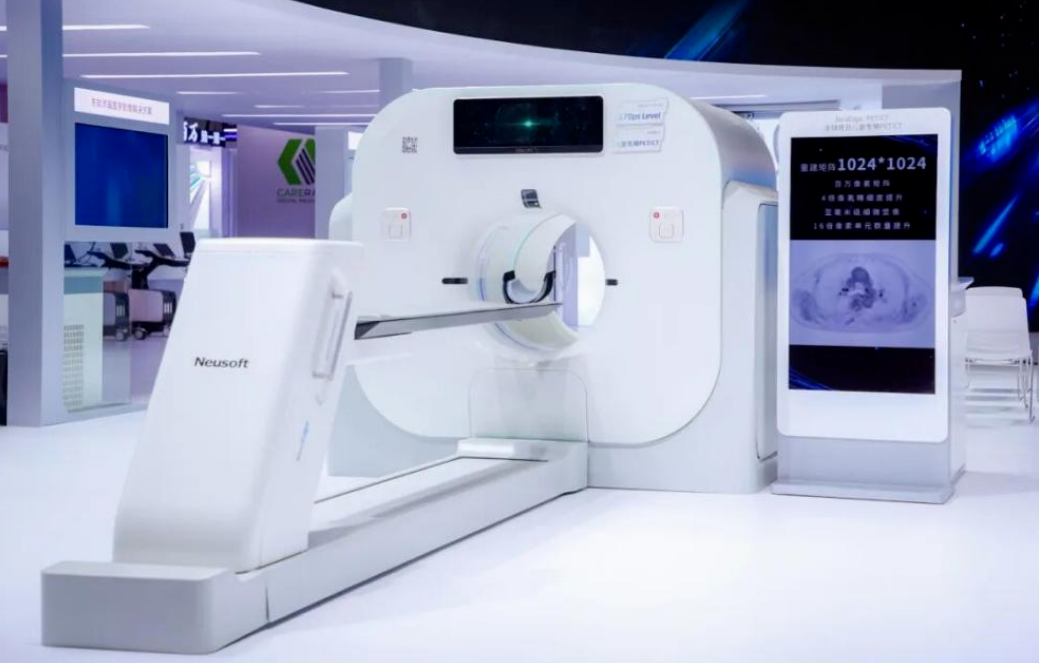
Currently, PET/CT scanners used in clinical practice are primarily designed for adults. Consequently, when used for pediatric examinations, critical factors such as scanning parameters, injection dosages, and image processing often lack specific optimization.
Children differ significantly from adults in terms of physiological metabolism, disease characteristics, and radiation sensitivity. In particular, radiation dosage is a key safety factor that must be carefully considered in pediatric imaging.
In clinical applications, this device demonstrates three core advantages:
During the treatment of pediatric tumors, multiple imaging assessments are typically required to monitor therapeutic efficacy. The low-dose capability of this device makes repeated PET/CT follow-ups a more viable clinical option, facilitating the timely adjustment of treatment plans.
Furthermore, its high temporal resolution and signal-to-noise ratio (SNR) performance provide a potential technical foundation for future advanced imaging applications, such as dual-tracer scanning.
Compared with PET/MR, the radiation dose of the PET component in this dedicated PET/CT has been controlled to a level comparable to, or even lower than, the former. Additionally, the CT component has undergone dose optimization through pediatric-specific protocols.
While ensuring radiation safety, the device's superior accessibility helps enable more pediatric patients to receive high-quality molecular imaging examinations.
The launch of this dedicated pediatric device has also sparked discussions on clinical standardization. The industry plans to collaborate with experts in pediatrics and nuclear medicine to establish clinical application guidelines tailored for Chinese children. The goal is to ensure that, alongside technological advancements, more children can benefit from safe and precise imaging diagnosis and treatment services.
Source: China Nuclear Technology Network


Address:Ping An Fortune Center, Lize Financial Business District of Beijing